

What can you do to prepare to have workers in your home or business
August 22, 2026

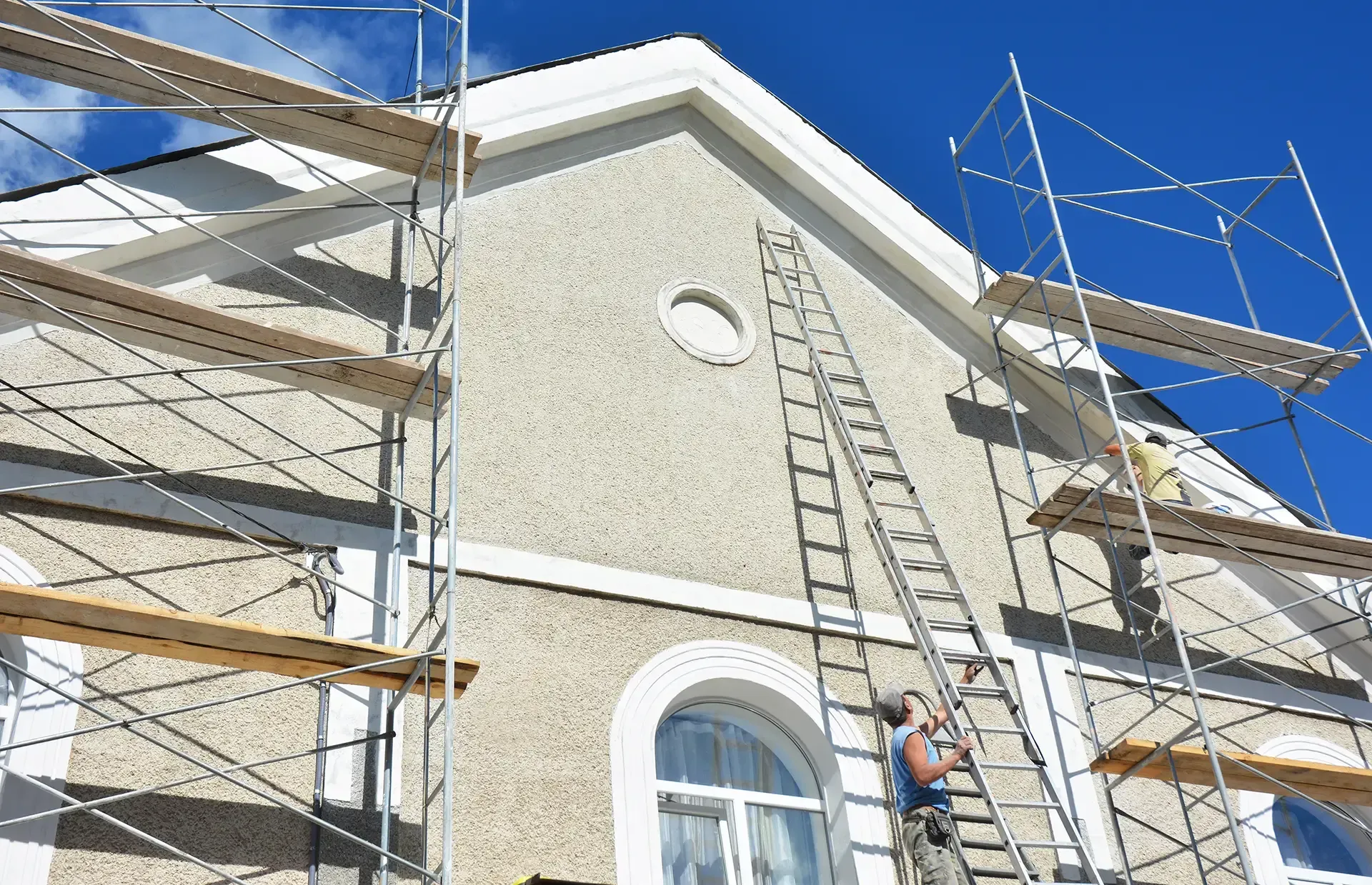
Looking to refresh your space in Ottawa? Here is what professional painting actually costs across the National Capital Region. Interior projects usually run $2 to $5 per square foot, while exterior jobs fall between $3,500 and $9,000+.

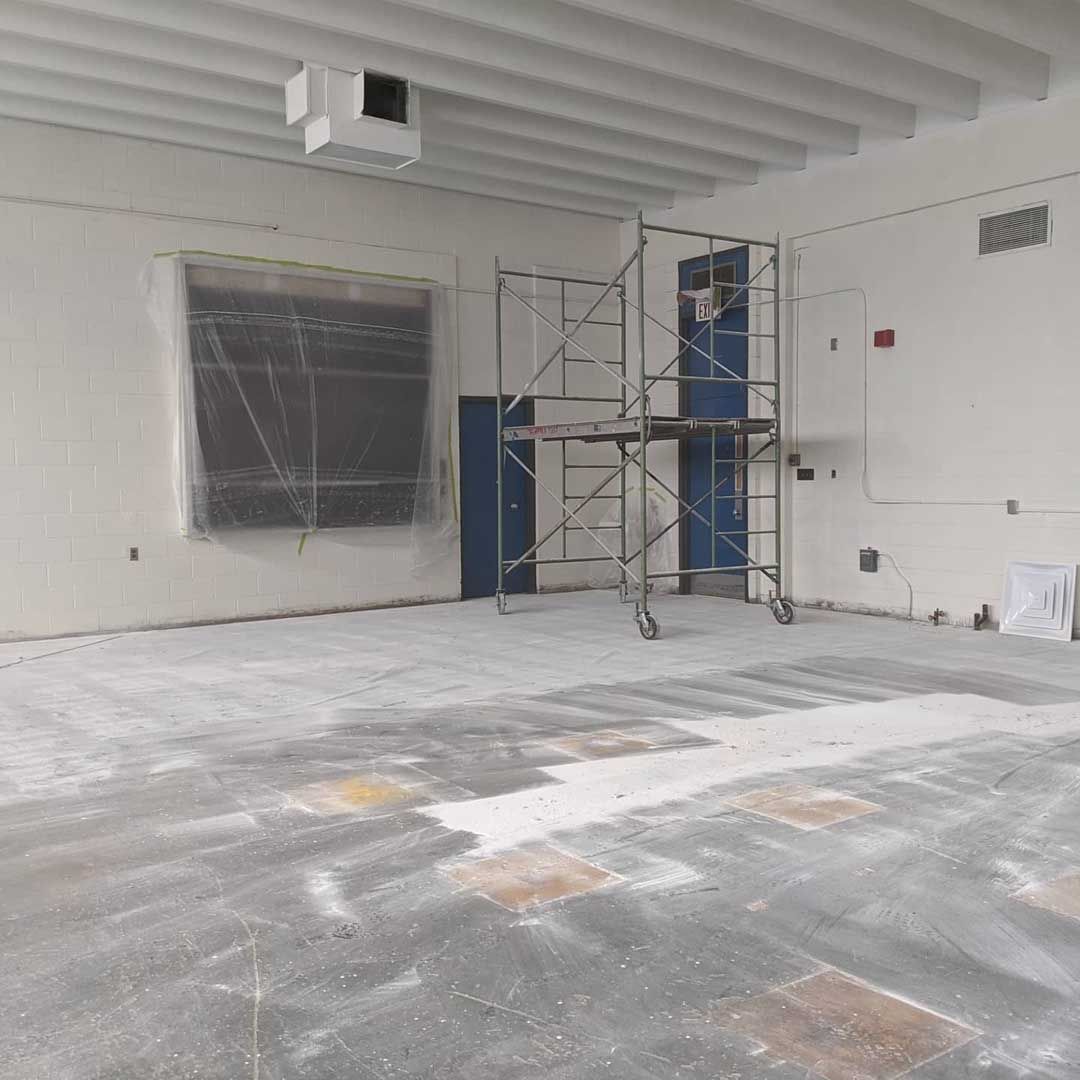
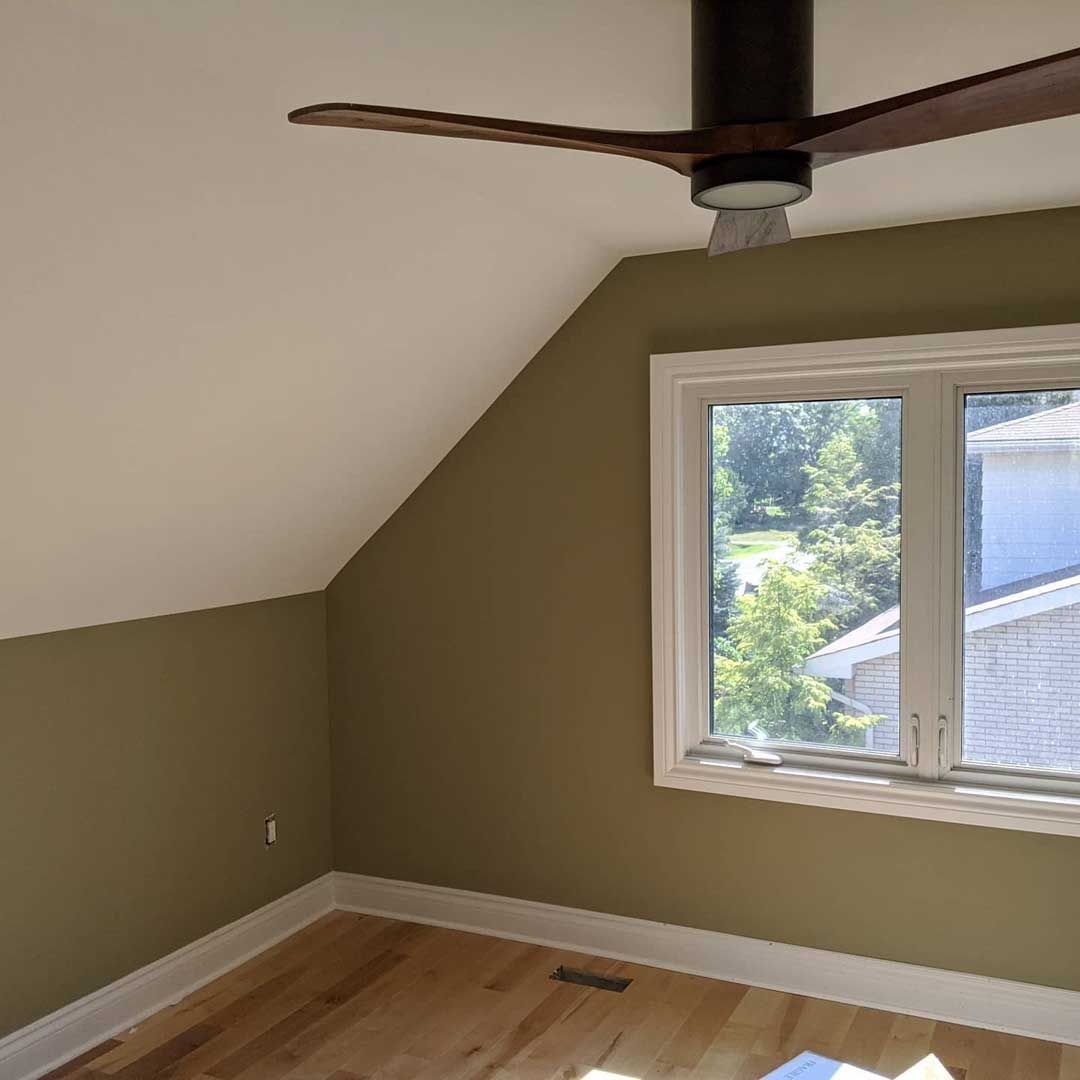
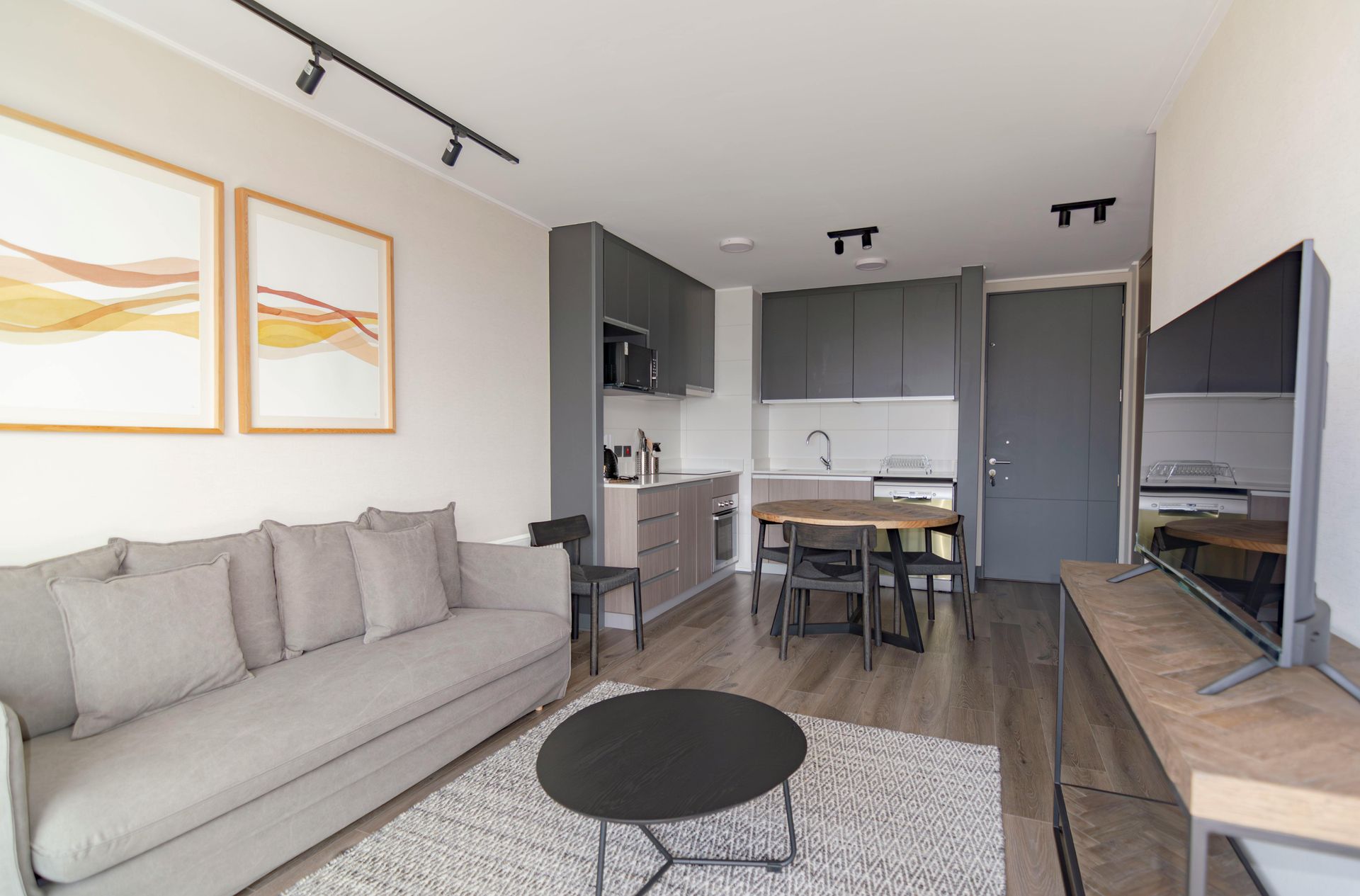
Preparing your home for a professional contracting crew doesn't just make their job easier—it protects your belongings, speeds up completion time, and helps prevent unexpected costs. Whether you have painters, drywallers, flooring installers, or general renovators coming, taking a few proactive steps before day one ensures a smooth, stress-free project.

​Here is a straightforward guide to getting your space contractor-ready:

​1. Clear the Work Area

​Contractors need clear paths and open spaces to set up equipment, move materials, and work safely.


​Remove Small Items: Clear away decor, wall hangings, rugs, curtains, and small furniture items from the room.


​Move Large Furniture: If large pieces (like couches or heavy tables) must stay in the room, shift them to the center of the space so workers have full access to the walls and perimeter.


​Clear Access Routes: Ensure hallways, stairwells, entryways, and driveways are completely free of clutter, shoes, or vehicles so the crew can carry heavy tools and materials inside without obstruction.

​2. Protect Your Valuables and Dust-Sensitive Items

​Construction and surface prep generate dust, vibrations, and constant foot traffic.


​Remove Fragile Decor: Take down artwork, mirrors, and shelving on the opposite side of shared walls—vibrations from hammering, sanding, or framing can cause items to shift and fall.


Cover Essential Furniture: While quality contractors supply drop cloths and plastic sheeting for immediate work areas, covering nearby furniture or electronics with extra sheets or tarps adds a valuable extra layer of defense against fine dust.


​Secure High-Value Items: Store away jewelry, sensitive documents, and expensive electronics in a private room or safe area.

​3. Plan for Logistics and Site Access

​Ironing out basic access details before the crew arrives avoids morning delays on day one.


​Parking & Staging: Designate where the crew can park their trucks and load/unload equipment without blocking neighbors or municipal access.


​Entry Points: Decide how workers will access the home (front entry, garage code, lockbox) and confirm key handover details ahead of time.


​Utilities & Amenities: Confirm that water and electricity will remain turned on throughout the project, and identify which bathroom the crew is permitted to use.

​4. Secure Pets and Children

Active work zones present safety hazards, including open doors, sharp tools, power cords, and airborne dust.


​Keep pets safely contained in a separate room, crate, or off-site during work hours to prevent accidental escapes or stress.


​Establish clear boundaries with young children to keep them completely away from active work zones, ladder setups, and staging areas.

​5. Set Up a Communication Channel

Active work zones present safety hazards, including open doors, sharp tools, power cords, and airborne dust.


​Keep pets safely contained in a separate room, crate, or off-site during work hours to prevent accidental escapes or stress.


​Establish clear boundaries with young children to keep them completely away from active work zones, ladder setups, and staging areas.

August 22, 2026
Looking to refresh your space in Ottawa? Here is what professional painting actually costs across the National Capital Region. Interior projects usually run $2 to $5 per square foot , while exterior jobs fall between $3,500 and $9,000+ .
August 22, 2026
Looking to refresh your space in Ottawa? Here is what professional painting actually costs across the National Capital Region. Interior projects usually run $2 to $5 per square foot , while exterior jobs fall between $3,500 and $9,000+ .